
Bring Furniture Full Circle: Repair, Refurbish, and Reuse at Home
The Five-Minute Inspection

Safety Before Sentiment
Set an Intention for Each Piece

Repairs That Hold: Strong Joints, Quiet Hinges, Safe Seats
Tighten, Glue, Clamp: Making Frames Solid Again
Surfaces and Edges: Chips, Veneer Bubbles, and Wobbly Feet
Upholstery Triage: Webbing, Springs, and Staples
Refurbish With Character: Finishes That Respect the Past
Creative Reuse: Transformations That Surprise and Delight
A Toolkit That Earns Its Keep
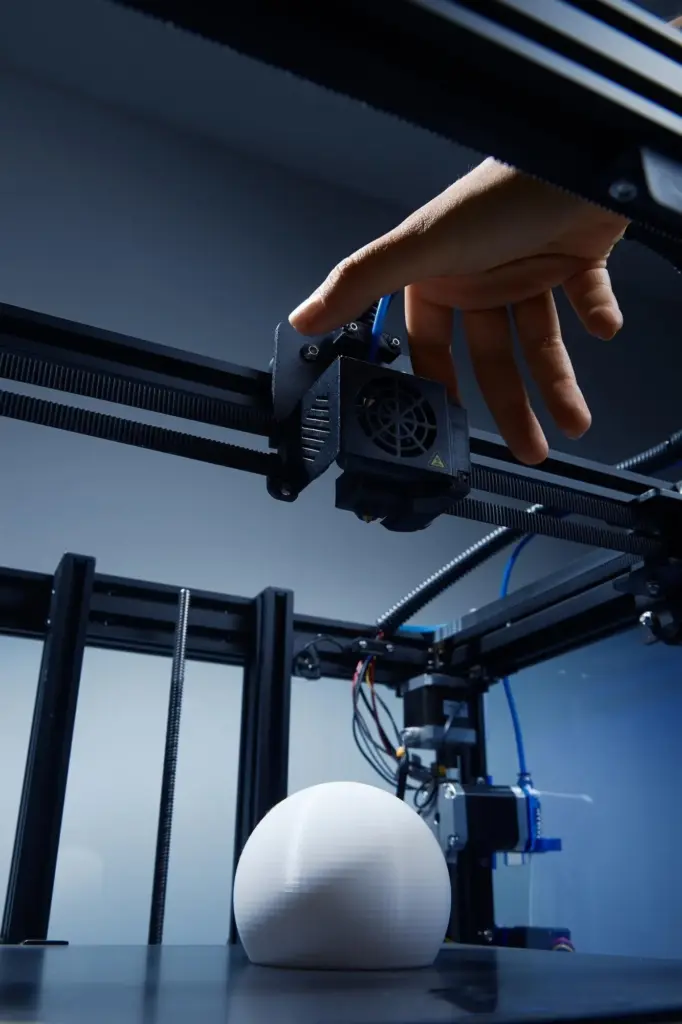
Gather fundamentals: a square, clamps in varied lengths, a block plane, sharp chisels, a card scraper, a random-orbit sander with effective dust collection, a drill-driver set, and a staple remover for upholstery. Add PPE—respirator, glasses, hearing protection, and gloves. Keep glue syringes, touch-up markers, and wax sticks for precise fixes. Store everything together, labeled, so momentum never stalls hunting for a missing bit.
Sustainable Supplies and Safer Choices
Choose FSC-certified wood, water-based adhesives, and low-VOC finishes that won’t linger in indoor air. Consider plant-derived oils, shellac flakes dissolved fresh, and biodegradable strippers. Reuse rags responsibly and manage dust with a HEPA vacuum. Look for refill stations, bulk fasteners, and local suppliers to cut transport impact. Safer materials protect your lungs, your family, and the planet while delivering resilient results you can maintain easily.
Where to Find Spares, Panels, and Odd Screws
Visit architectural salvage yards, community reuse centers, and online classifieds for panels, hinges, knobs, and vintage casters. Bring measurements, a small magnet, and photos of missing parts. Keep a catalog of thread sizes and head types. Don’t overlook broken pieces; they are parts donors. Building relationships with shopkeepers and local makers often surfaces exactly the right component just when you need it most.
Care, Community, and Lasting Habits
Seasonal Maintenance That Prevents Big Repairs
Quick Responses to Stains, Scratches, and Snags

All Rights Reserved.